
Using mRNA as cancer therapy

Messenger Ribo Nucleic Acid (mRNA) carries a cell’s instructions to create proteins. mRNA from a disease is injected into cells to instruct them to create proteins specific to that disease, inducing a targeted immune response.

mRNA technology is now being used for cancer therapy to attack tumour cells. mRNA technology is an effective cancer treatment as it generates proteins specific to a person’s tumour.

Since everyone’s cancer is unique to them, mRNA must be manufactured for each patient. It is also very unstable and easily broken down by the human body. By injecting it into lipid nanoparticles (LNP) the mRNA can be protected until it reaches the cancer cells.

display-crop-2-1

Our Approach

We leveraged Team’s holistic, system-level approach.
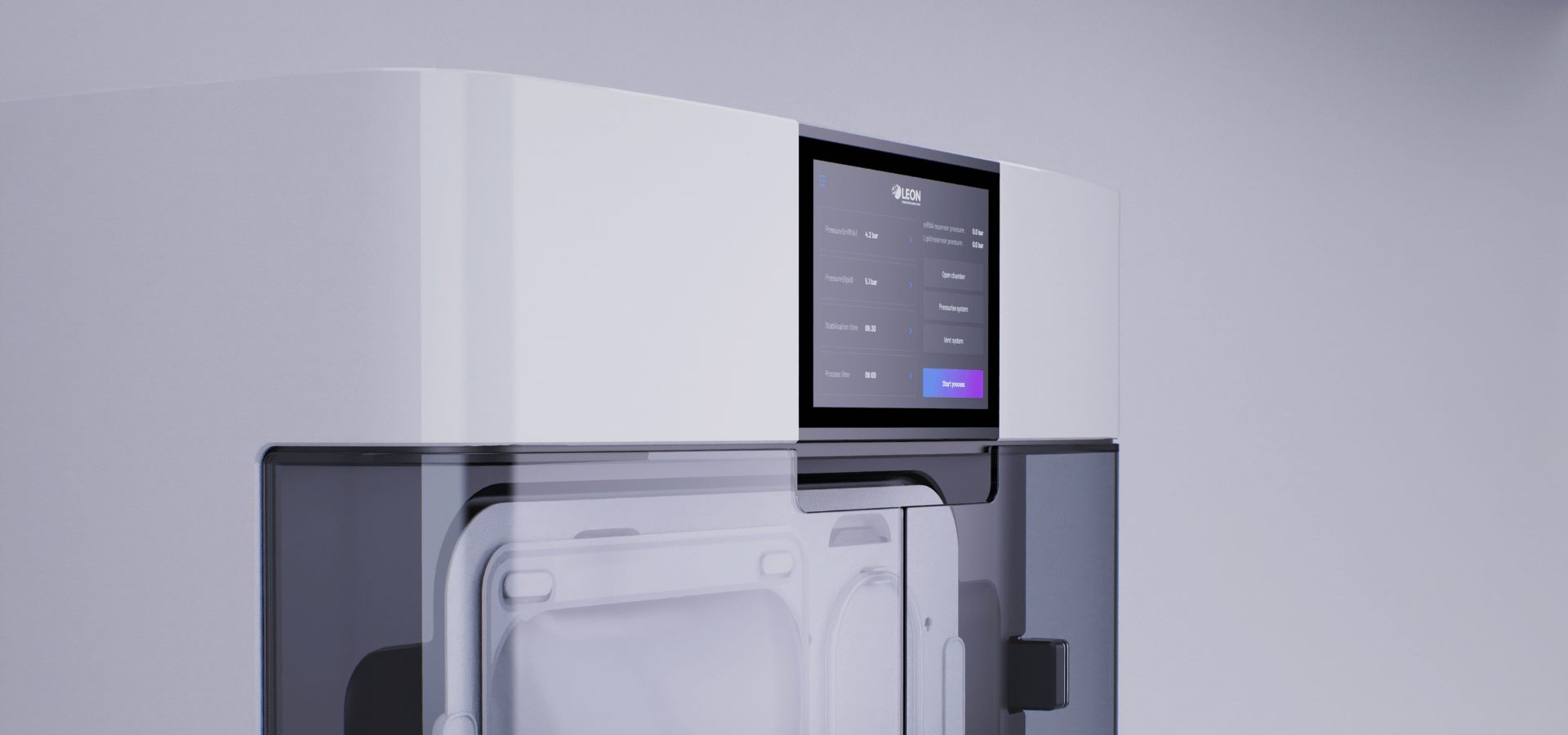
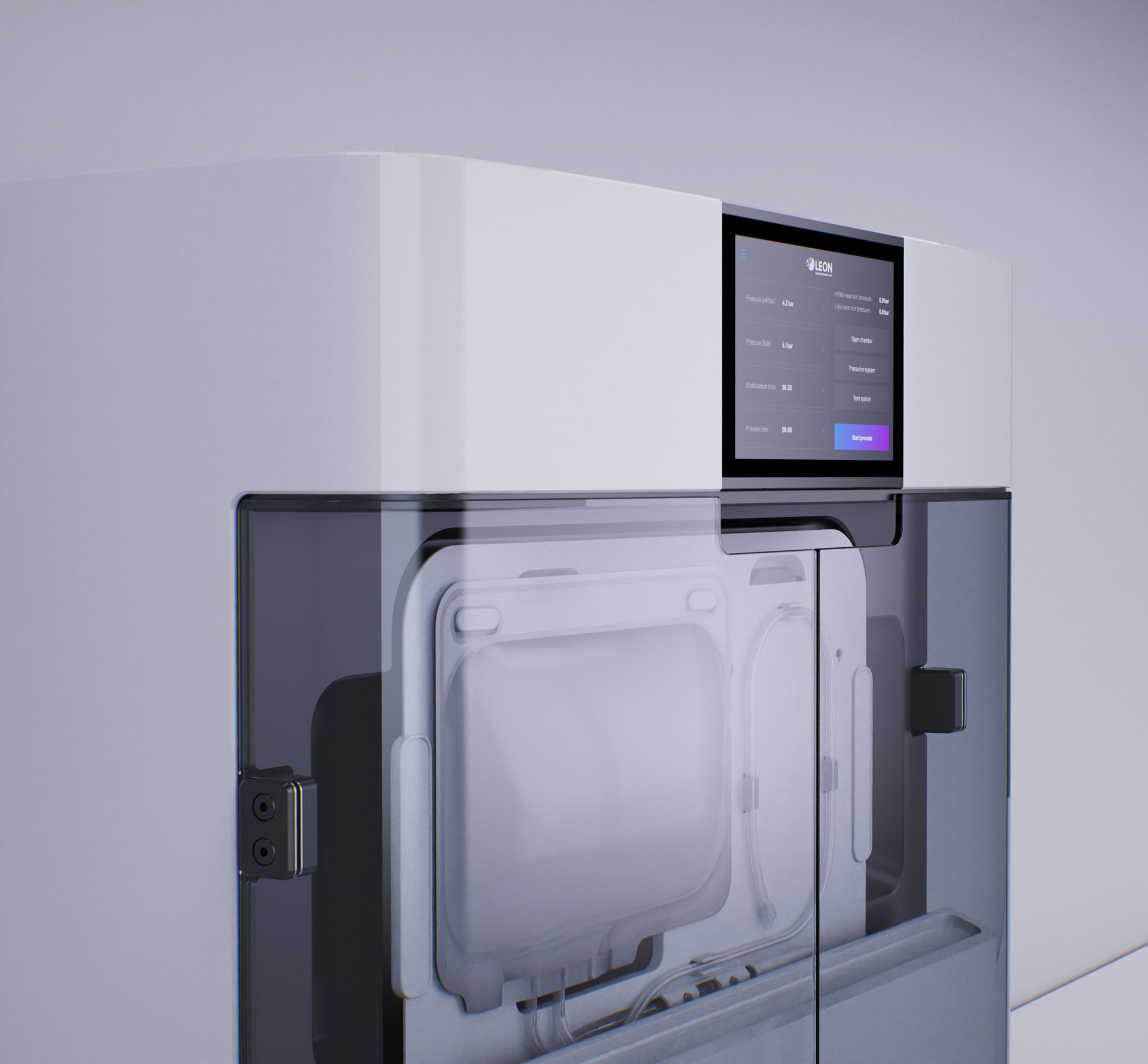
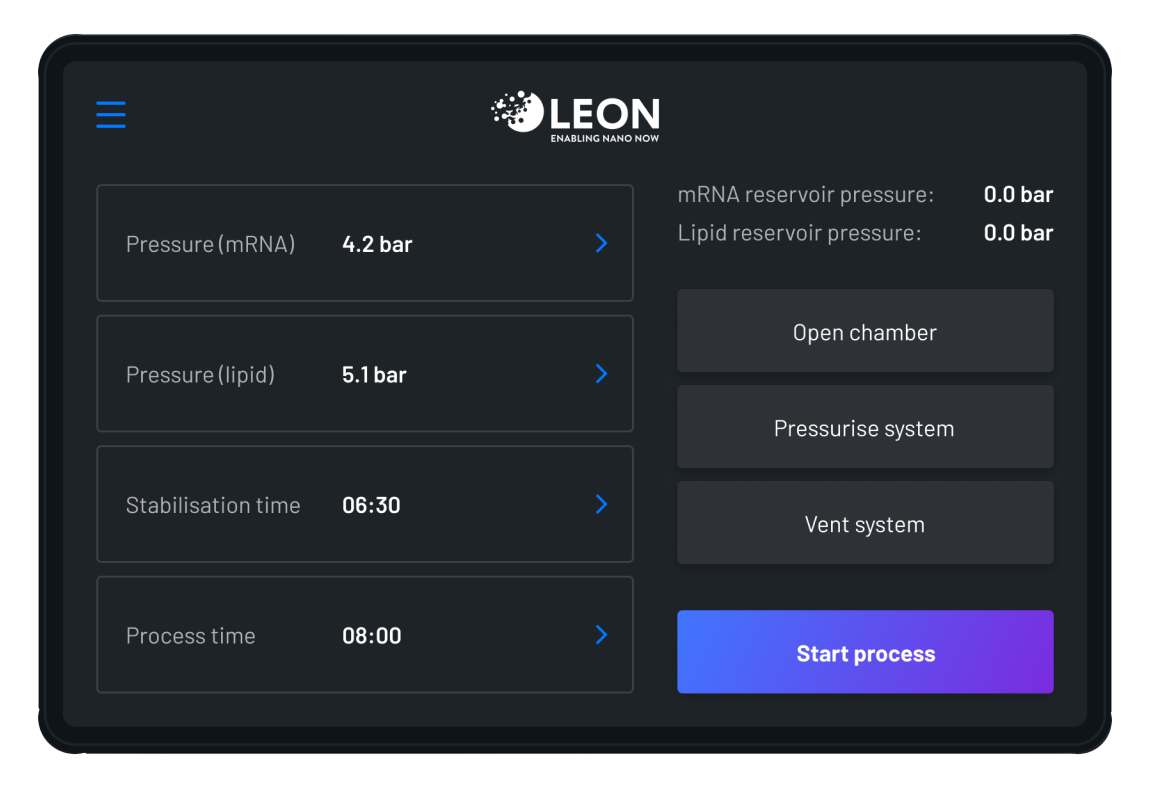
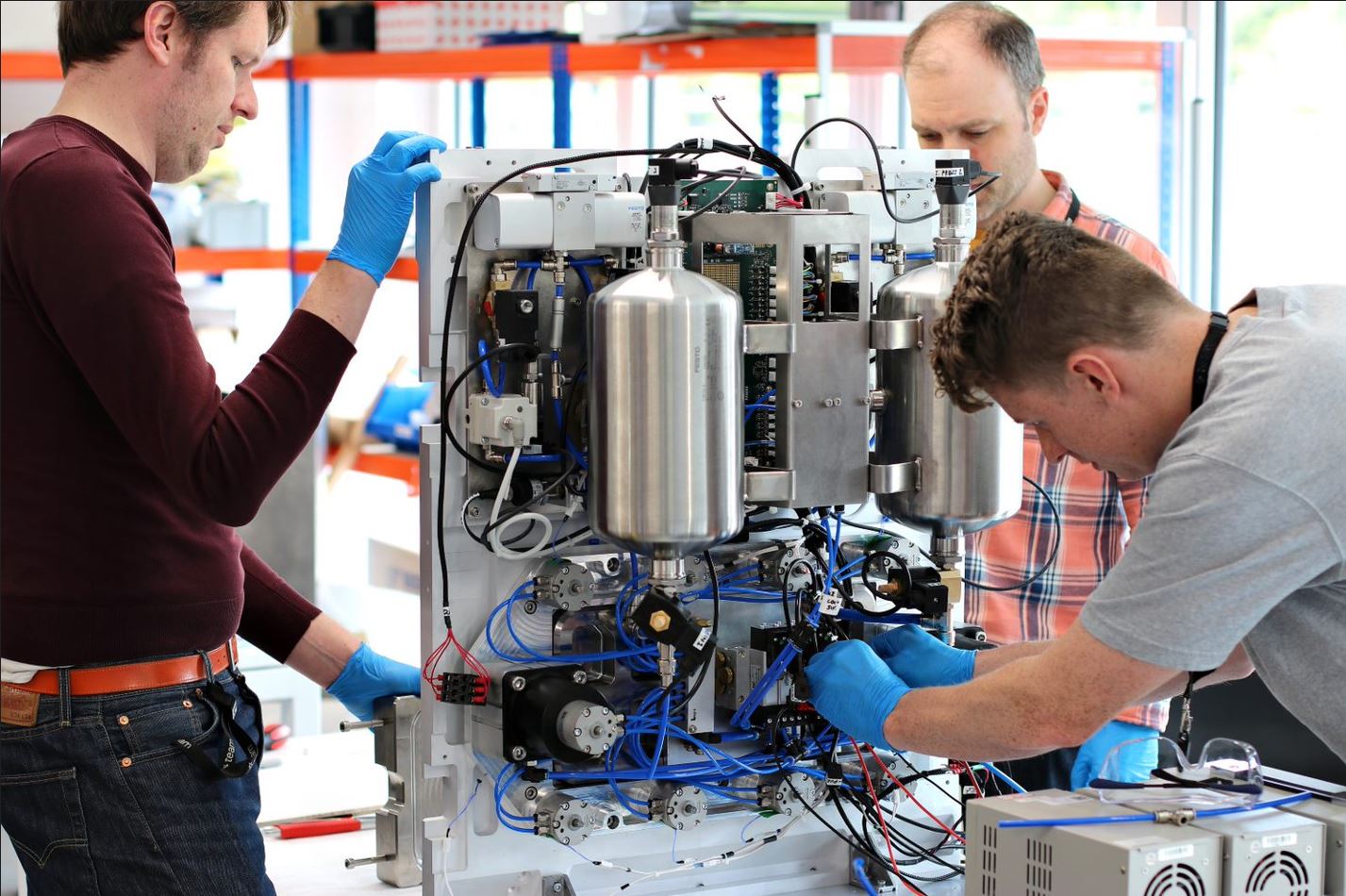
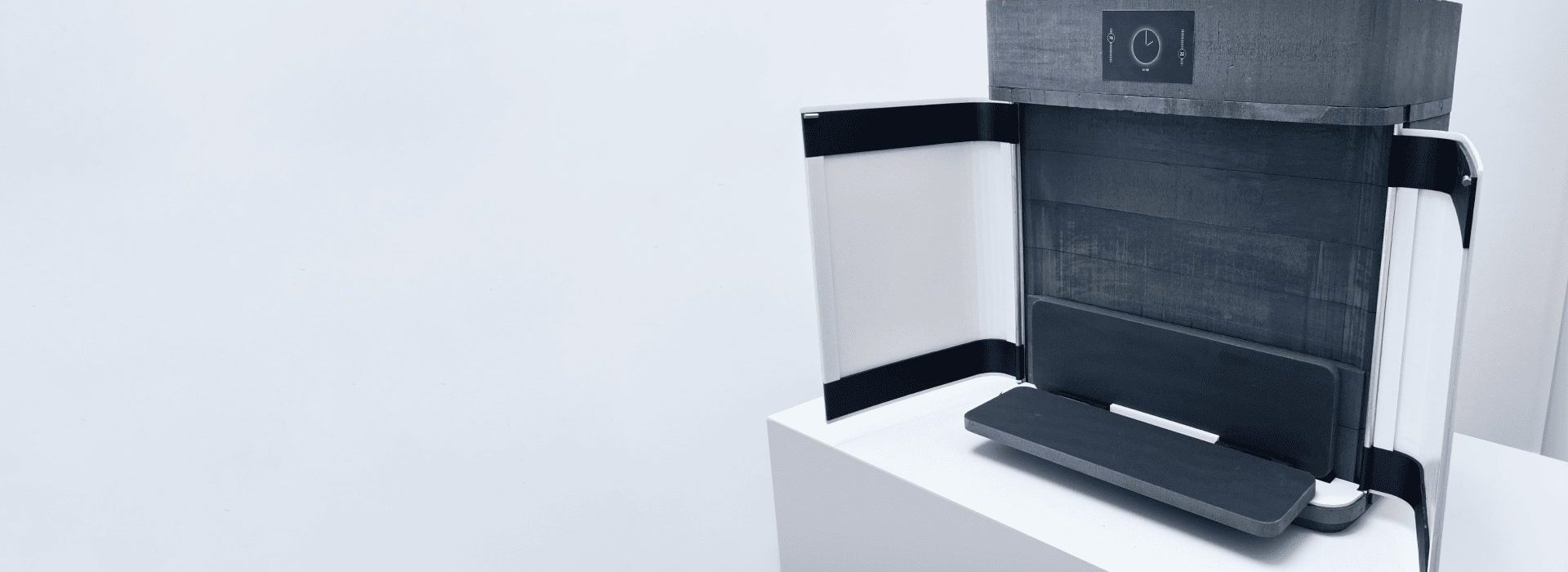
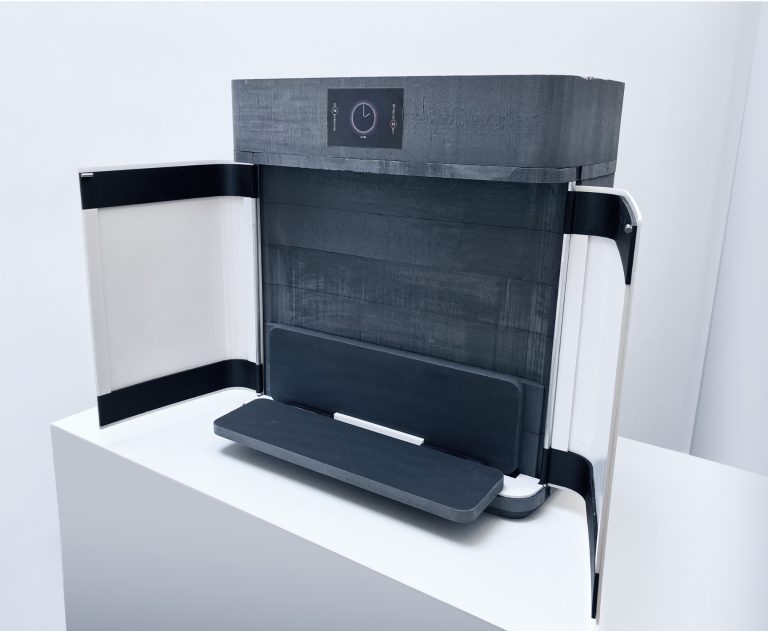
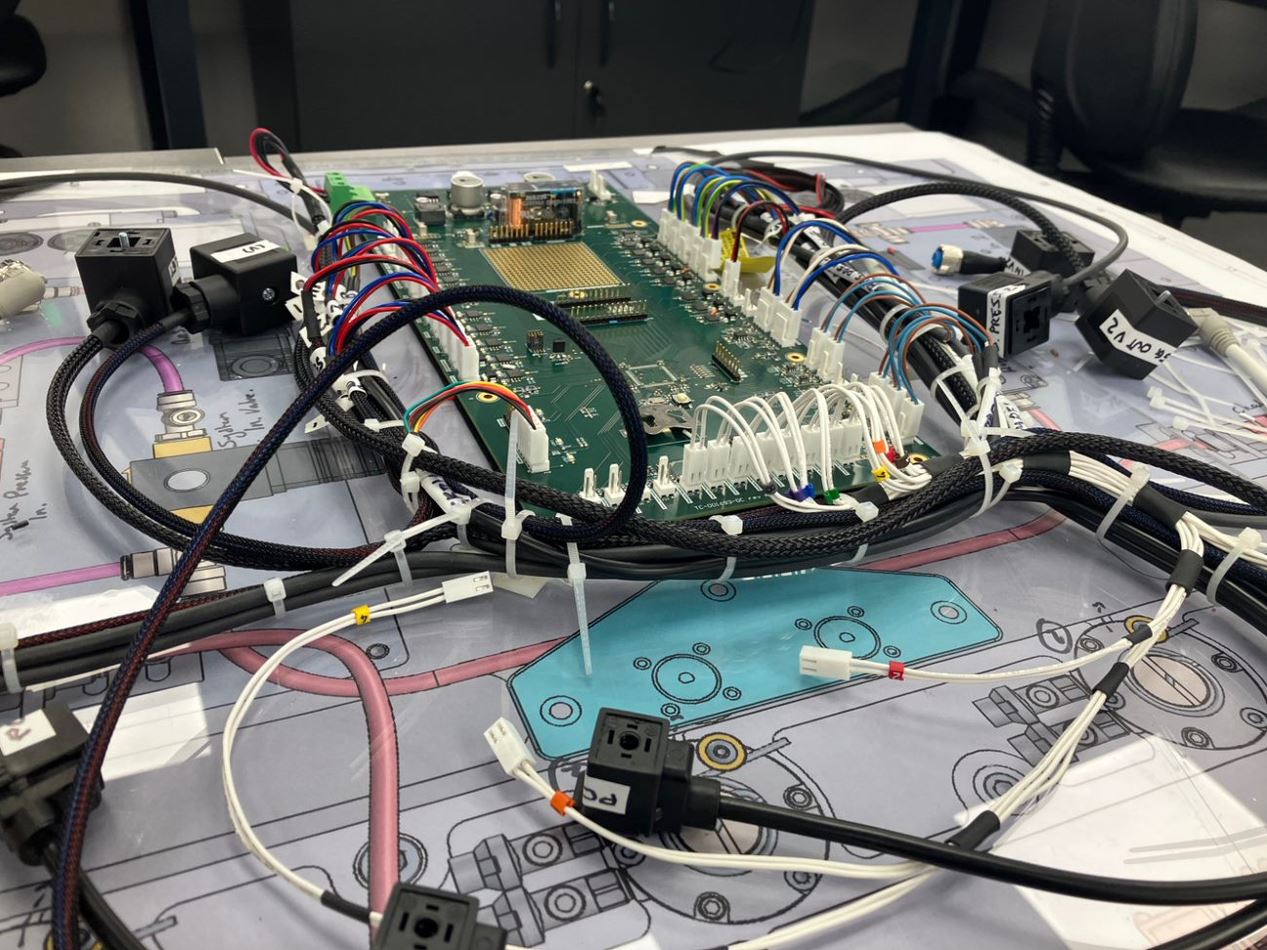
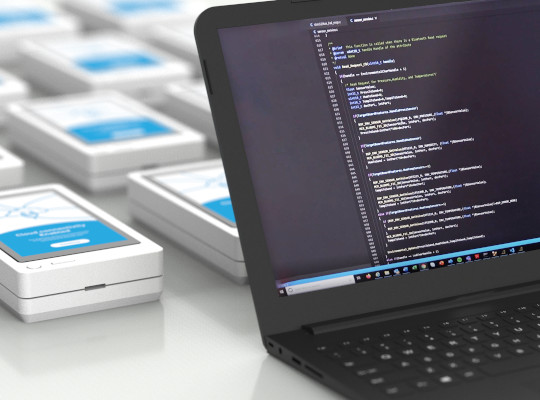
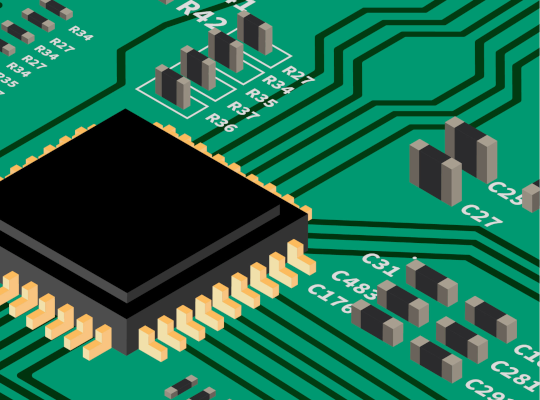
Our multidisciplinary team of designers, UX specialists, software, electronics and mechanical engineers analysed LEON’s ground-breaking, yet intricate idea and worked closely to develop a fully functional prototype.
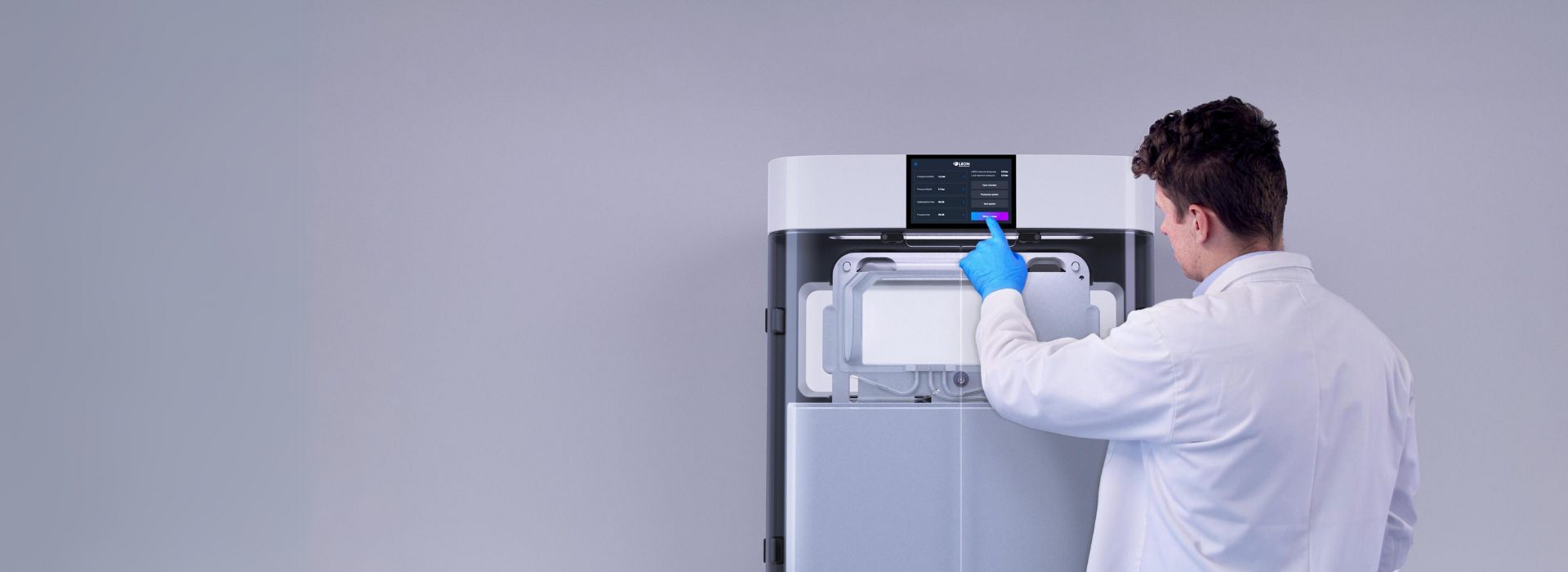
The final device drastically improves processing time, avoids cross-contamination and prioritises user-safety

Outcome

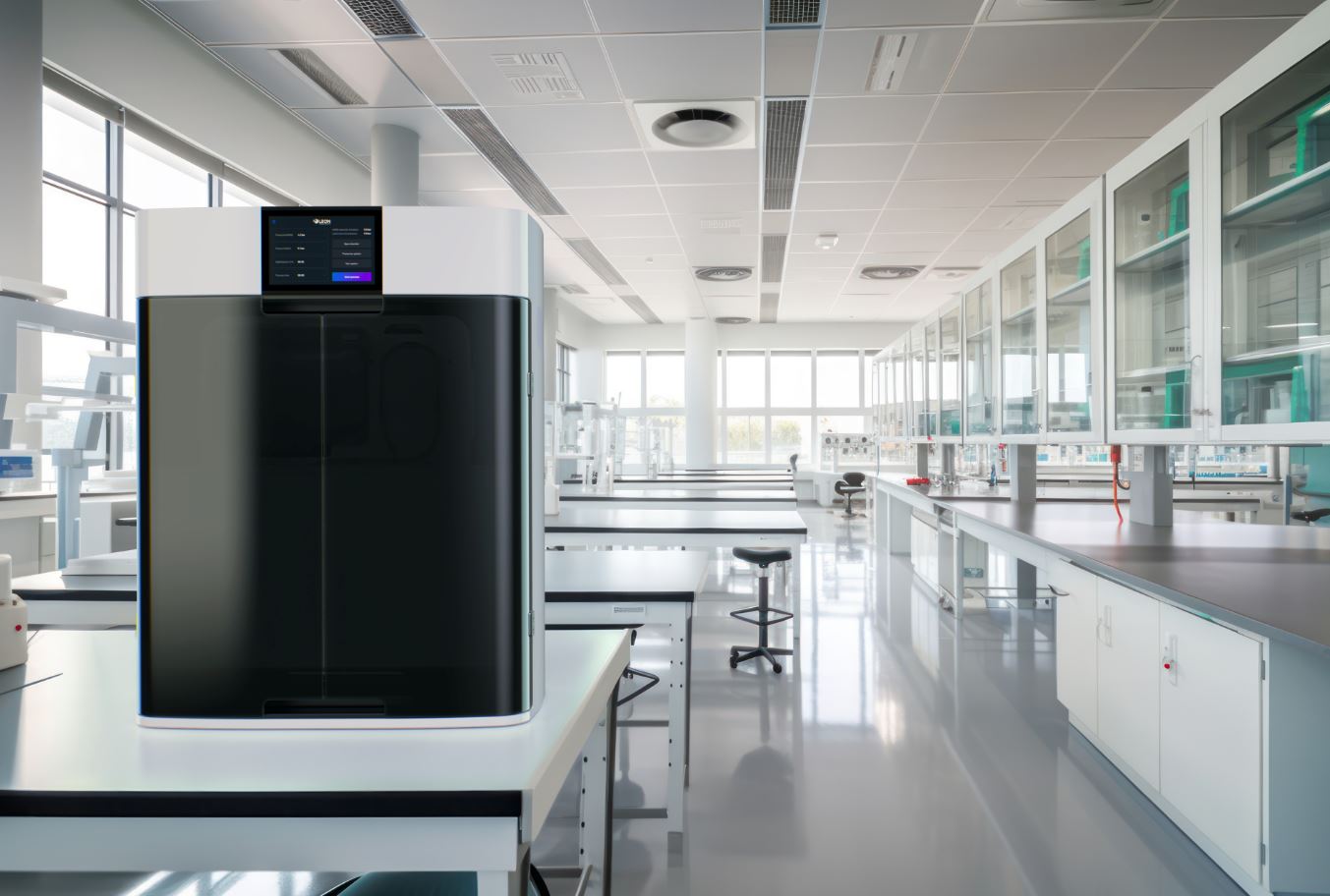
We developed and built a pharmaceutical system to insert mRNA into lipid nanoparticles for personalised cancer therapies.
Our prototype significantly reduces processing time from 6 hours to 15 minutes, optimising user-safety while minimising cross-contamination of the samples.

Read more about [technical descriptor]
22f0bb140fed09e245f6b4b17dfa66a7

Encapsulting Nucleic Acids

To successfully encapsulate mRNA with lipids, the two compounds nmust be forced together under turbulent conditions and extreme pressure.

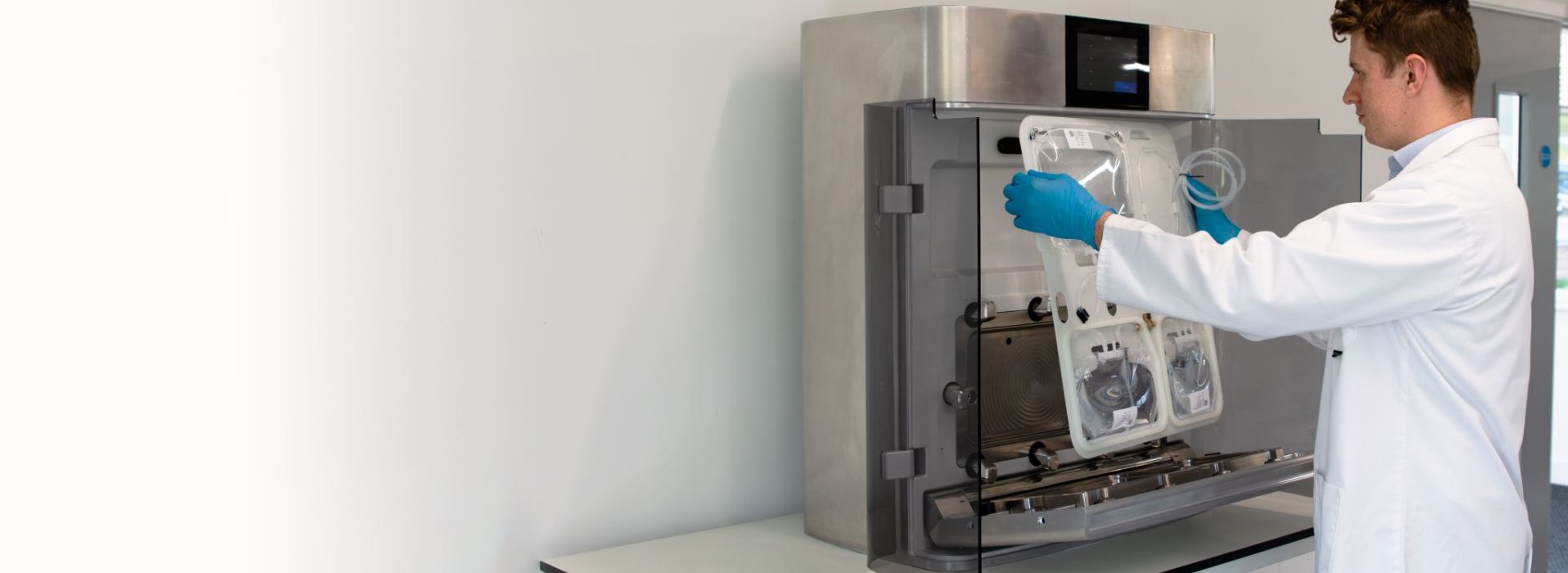
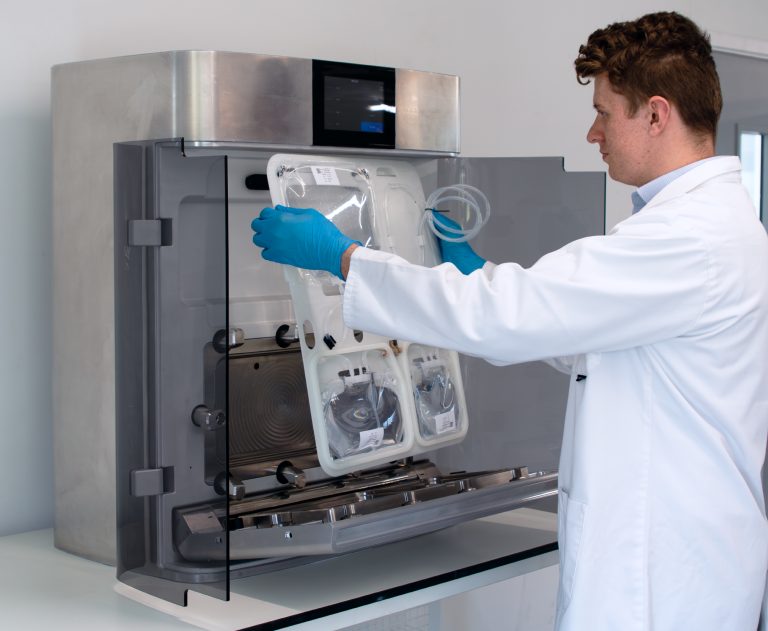
Each liquid is held in a container mounted on a disposable cassette which is inserted into the benchtop system. The liquids are pressurised in a mixing reactor to produce the mRNA LNPs.[VS1] in the end-product container.

Both the cassette and containers are single use and recyclable. This saves time and energy by removing the need for cleaning and sterilising of the equipment after each batch.

image 6

Building a highly pressurised system

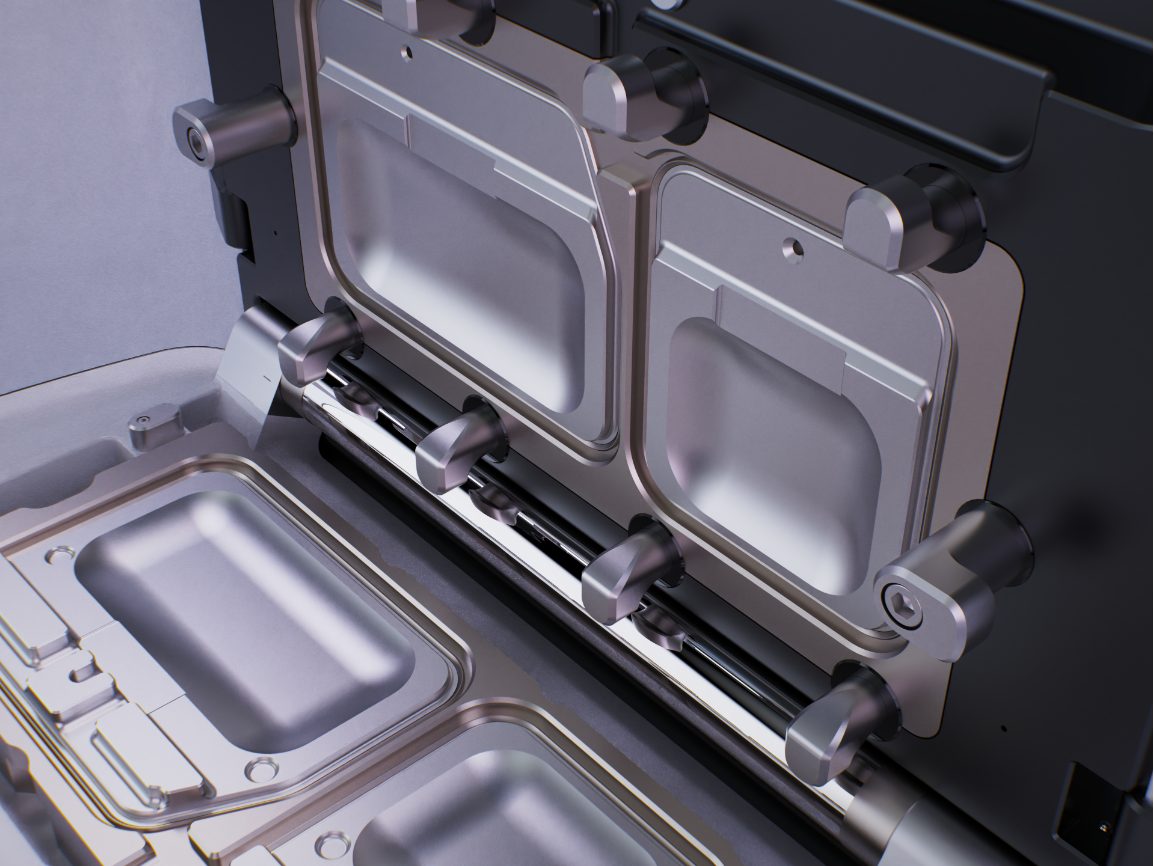
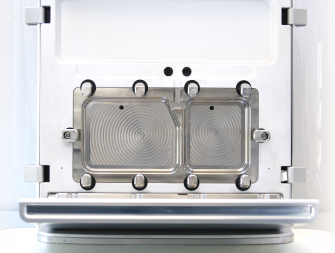
The pressure chamber of the processing device needs to reach 16 bars to force both solutions into the mixing reactor and form LNPs.

This is achieved through robust structural integrity preventing leaks and deformation, whilst allowing the mRNA and lipid solutions to flow into the mixing reactor. The system’s pressure seals were designed with cavities to facilitate this

Titanium was chosen for the pressure chambers due to it’s resilience and it’s reduced mass, making the instrument easier to handle for the user.

We used Finite Element Analysis (FEA) to predict the performance of the chamber and seals under pressure, allowing us to refine the the design to prevent any leaks.

Prototypes

The pressure chamber of the processing device needs to reach 16 bars to force both solutions into the mixing reactor and form LNPs.

This can only be achieved through robust structural integrity to prevent leaks and deformation, whilst allowing the mRNA and lipid solutions to flow into the mixing reactor. The system’s pressure seals were designed with cavities to facilitate this

We used Finite Element Analysis (FEA) to predict the performance of the chamber and seal under pressure. This allowed us allowed us to refine the tolerances of the design to prevent any leaks.
Titanium was chosen for the pressure chambers due to it’s resilience and it’s reduced mass, making the instrument easy to handle for the user.

Media and text multiple 2

Electronic & Software design

To successfully encapsulate mRNA with lipids, the two compounds must be forced together under turbulent conditions and extreme pressure.

Each liquid is held in a container mounted on a disposable cassette which is inserted into the benchtop system. The liquids are pressurised in a mixing reactor to produce the mRNA LNPs.[VS1] in the end-product container.

Both the cassette and containers are single use and recyclable. This saves time and energy by removing the need for cleaning and sterilising of the equipment after each batch

Outcome

We used our full multidisciplinary skillset to help our client turn a 6h long process to an efficient 15min procedure.
This instrument drastically improves the standard for producing personalised cancer therapy while also removing any risk for cross-contamination of the sample.

Text Columns

We used our full multidisciplinary skillset to help our client turn a 6h long process to an efficient 15min procedure.
This instrument drastically improves the standard for producing personalised cancer therapy while also removing any risk for cross-contamination of the sample.

We used our full multidisciplinary skillset to help our client turn a 6h long process to an efficient 15min procedure.
This instrument drastically improves the standard for producing personalised cancer therapy while also removing any risk for cross-contamination of the sample.

Wonder how we could help?

Let’s start working together on your next challenge.