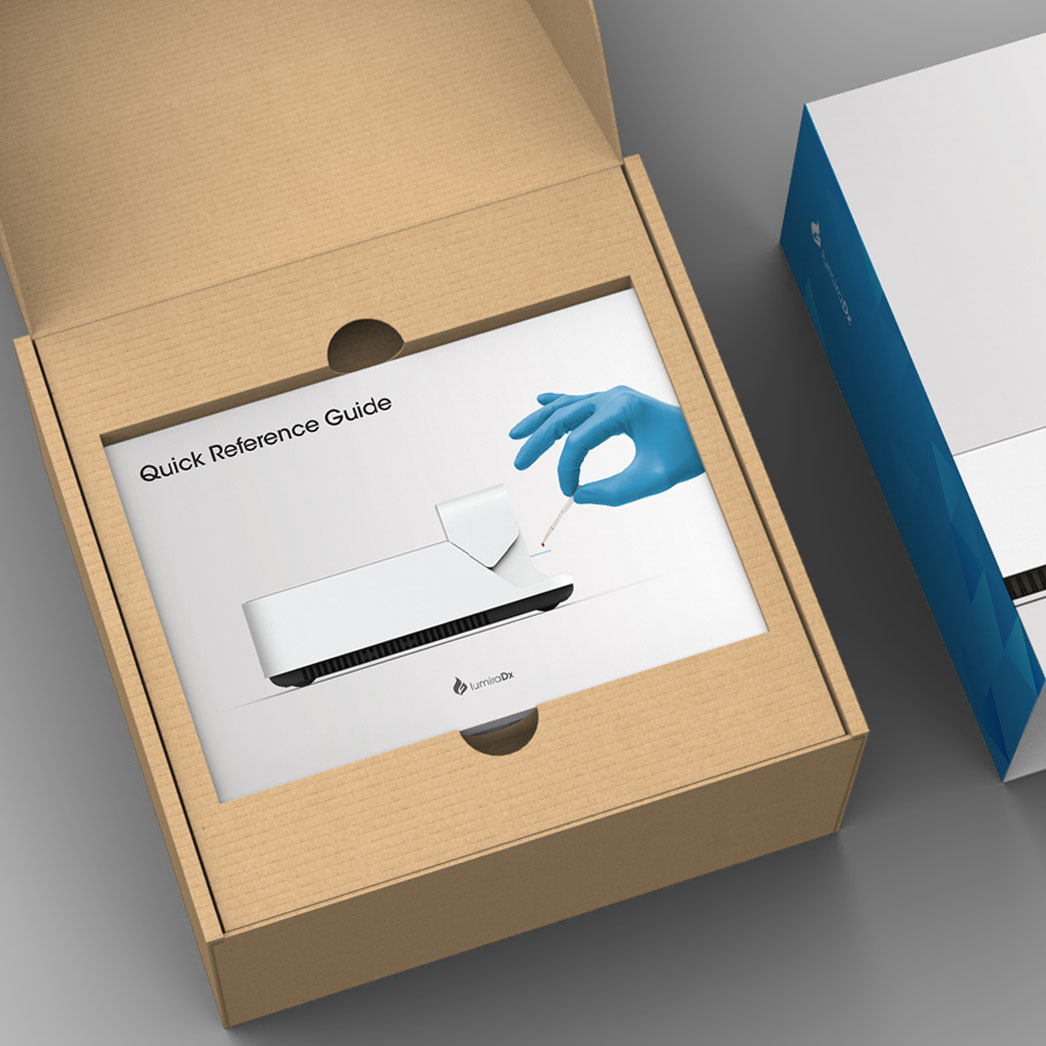
Quick reference guide in cardboard packaging sq

Applying sustainability across the development pathway

Sustainability design and engineering principles can be applied at all stages of the development pathway, and we strive to achieve this through focused assessments on reducing your carbon footprint and other environmental impacts. This is done without compromising on safety and device efficacy, delivering highly usable product that stands out in the market.

How we apply sustainable thinking throughout your development

Front End Innovation

We build an in-depth understanding of your users and your commercial requirements, identifying opportunities to implement sustainability to your products, while meeting its core user needs.

Mechanical engineering

Our experts help you identify areas for material and manufacturing optimisation, applying Life Cycle Assessment to support evidence-based decision making.

Electronics and software engineering

From reducing energy requirements and optimising electrical systems, to supplier selection and circular design, we identify areas for sustainability improvements with measurable impact.

Human factors

Our usability experts help you gain insights into your users’ behaviours and capabilities, to identify key design requirements to guide and encourage positive user actions, improving adherence to recycling approaching and encouraging reusability.

Industrial design

We incorporate sustainable packaging solutions across your product development, maximising functionality and user appeal, while keeping a simple palette of materials to enable recycling and adhering to packaging regulations.

Digital design

We try to implement digital solutions as alternatives to hardware where possible, such as digital instructions for use and training modules to reduce patient travel and to improve patient adherence.

Applied science

Our expertise across a range of scientific areas allows us to conduct focused research that supports with more novel developments.

Our sustainability toolkit

Life Cycle Assessment

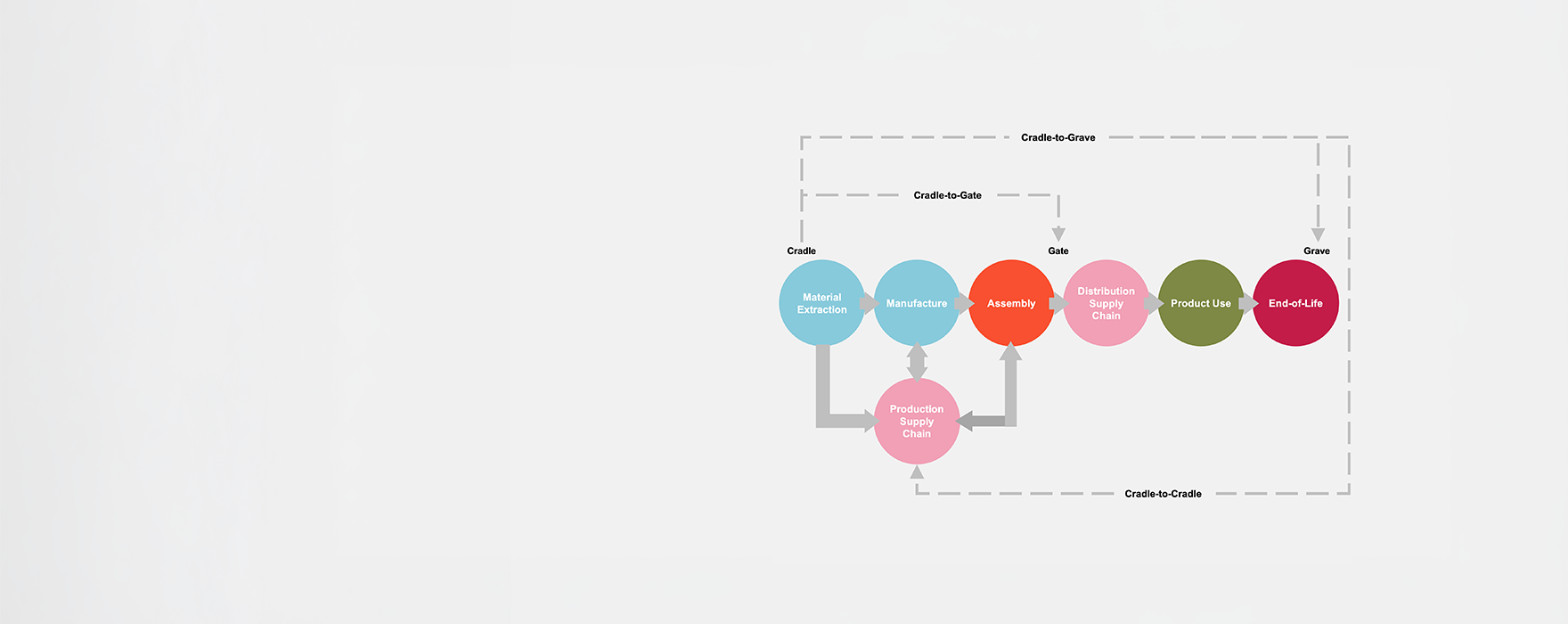
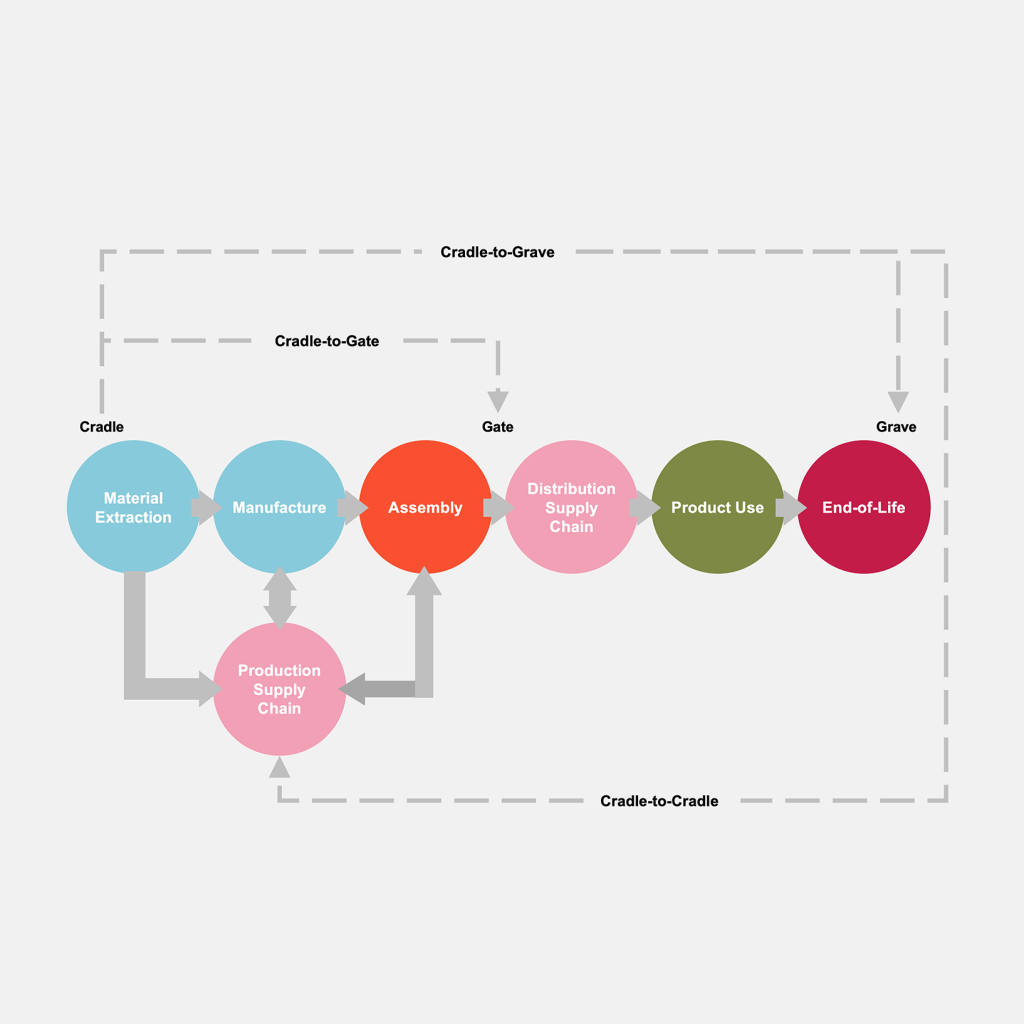
We apply Life Cycle Assessment (LCA) to give you a clear, evidence based view of your product carbon footprint (PCF) across any part of its entire life cycle. By highlighting where design or development changes will have the biggest environmental impact, LCA supports confident, data driven decisions about your sustainability strategy.

Effective LCA relies on both hard data and robust assumptions built on a deep knowledge of medical devices and their use cases. We work closely with you to ensure our modelling is accurate, realistic and relevant to your device’s context of use, helping you identify the most meaningful opportunities to reduce your environmental impact across your product life cycle.

Circular design

Circular design focuses on creating medical devices that extend the material value, delay the disposal of materials and reduce environmental impact across the entire product life cycle. We help you assess end of life pathways, manufacturing methods, material choices and packaging so you can identify where circularity principles can add real value. This includes designing components for reuse, disassembly, refurbishment or recycling, selecting renewable or lower impact materials and minimising waste in both production and post use phases. By embedding circular thinking early in development, we help you create devices that deliver strong sustainability benefits while remaining safe, effective and commercially viable.

Material selection

Selecting the most appropriate material for the intended performance is a key part of robust design, and selecting sustainable alternatives would not compromise that. When selecting between bio-based, recycled, recyclable or commodity materials, we would assess tangible properties such as performance and cost, as well as hidden attributes such as regulatory impact, environmental impact, availability and supply chain to make an informed decision. We also stay on top of regulations to ensure that only safe and approved materials are selected, avoiding hazardous or toxic chemicals such as PFAS.

Supplier selection

Creating more sustainable medical devices depends on strong, responsible partnerships across your supply chain. We help you evaluate and engage suppliers who can support your sustainability ambitions, drawing on our deep understanding of medical devices and environmental performance. By working closely with stakeholders at every stage of the value chain, we help you identify opportunities to reduce impact, improve transparency and build a supply network that actively contributes to your product’s sustainability goals.

Concept generation, comparison and analysis

From exploring user-centred, mechanical designs to reduce reliance on electronic components, to component reduction and design simplification, our team are adept at rapidly exploring new concepts and approaches to find the most sustainable option to progress with. Drawing on input from our in-house team of industrial designers, mechanical engineers and human factors specialists, we approach every concept from a multidisciplinary viewpoint, ensuring all factors are considered so you can progress forwards with confidence.

Competitor sustainability analysis

We apply LCA to benchmark your device against competitor products or other sustainable alternatives, helping you understand where improvements could be made. This analysis highlights the key life cycle “hotspots” that drive the greatest emissions or impact, giving you a clear view of where targeted improvements will make the biggest difference. By identifying these priority areas early, we help you focus your development effort where it delivers real value, guiding you towards design and sustainability decisions that strengthen both product performance and market positioning.

Want to improve your device's sustainability?

Get in touch to find out how we can help you meet your sustainability goals and make more informed decisions.

Get in touch

Header image

What factors impact medical device sustainability?

Developing a more sustainable medical device involves navigating competing priorities, regulatory constraints and complex value chain impacts. As a manufacturer you need to consider:

  1. What you are trying to achieve and what trade offs are acceptable
    Define the sustainability outcomes that matter most to you and establish where flexibility exists in cost, performance or design.
  2. How you will make data driven decisions
    Evidence is essential. Applying robust environmental data through a Life Cycle Assessment allows you to compare options, justify choices and demonstrate measurable improvement.
  3. Where to focus your efforts and how much influence you have
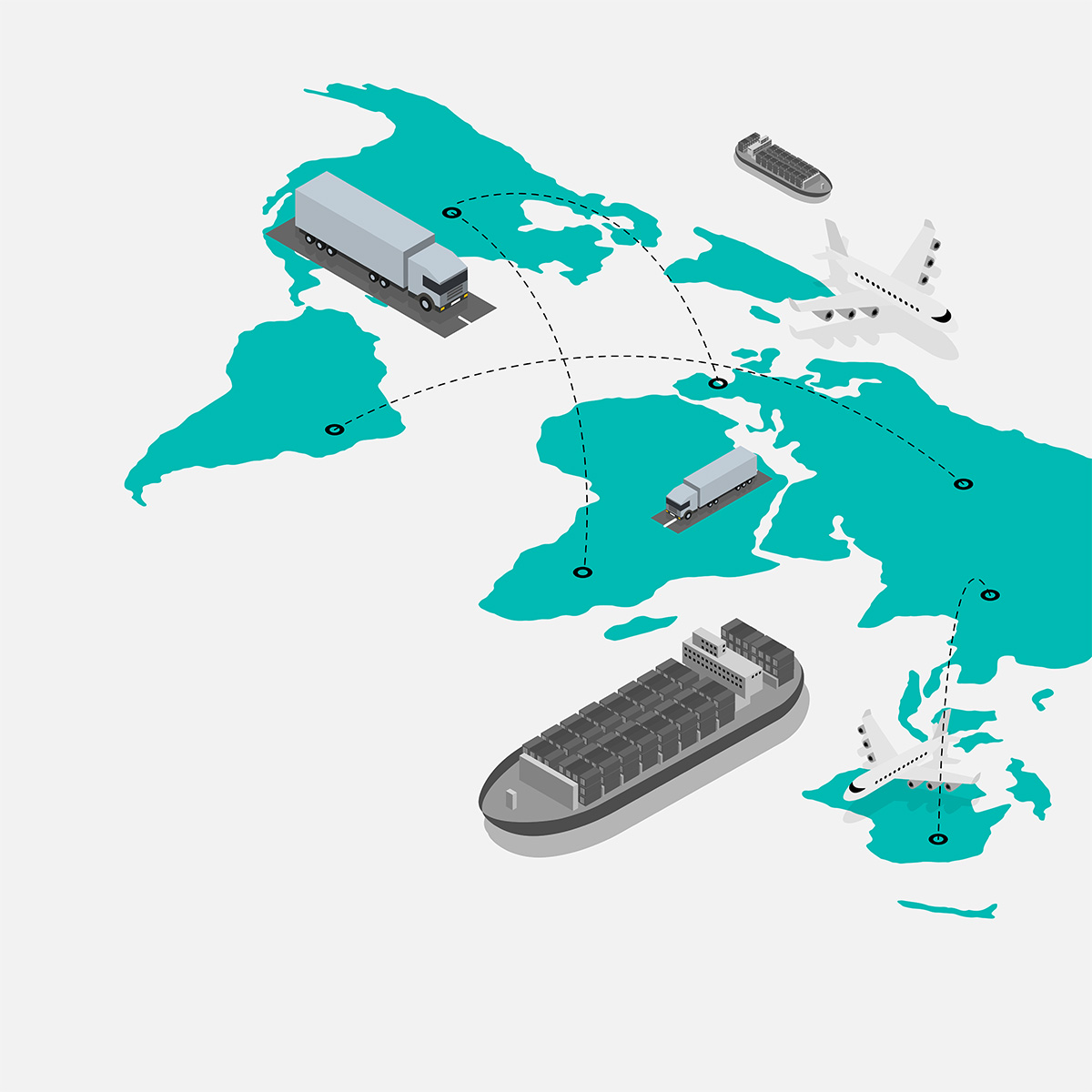
    Identify the life cycle stages where you can make meaningful change, from materials and manufacturing to logistics, use phase and end-of-life.
  4. How to plan for tomorrow’s market
    Anticipate shifting regulations, customer expectations and net zero commitments to ensure your device remains relevant in a future, lower carbon healthcare system.

How do you plan for medical device sustainability?

Planning for sustainability in medical devices requires a structured, evidence led approach that helps you understand your options and make informed decisions. You need to balance environmental ambition with technical feasibility, regulatory expectations and the realities of your product’s life cycle. Our role is to help you navigate this complexity, identifying practical methods that support measurable environmental improvement without compromising safety, performance or market viability.

  • Choose the right business model
    In addition to improving your existing device, evaluating alternative approaches can help to unlock more sustainable options, such as reducing waste or encouraging reuse.
  • Understand the whole life cycle
    Taking a full systems view is essential to avoid making decisions which could simply move the environmental impacts from one part of your product’s life to another.
  • Navigate regulatory requirements
    Identify constraints early so sustainability choices support, rather than conflict with, regulatory requirements.
  • Consider the impact of design directions
    Material selection, device architecture and manufacturing methods all significantly affect sustainability outcomes. Quantifying these impacts through LCA allows for more strategic decision making.
  • Plan for life cycle management
    Your device sustainability extends beyond the point of manufacture or sale. Build in pathways for updates, refurbishment or responsible end of life.
  • Explore alternative options and industry benchmarks
    Performing competitor analysis or exploring other industry benchmarks can help to break out of existing assumptions to identify more sustainable directions.

Explore our full sustainability offering

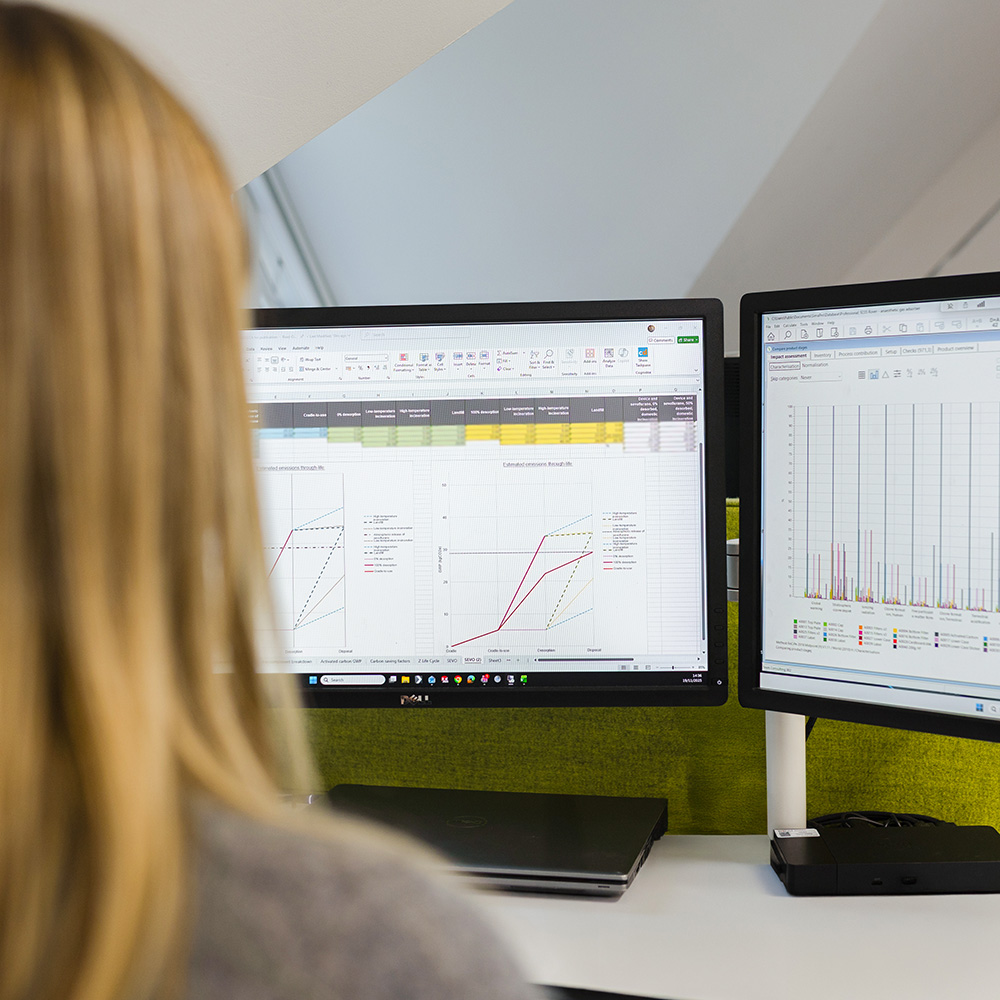
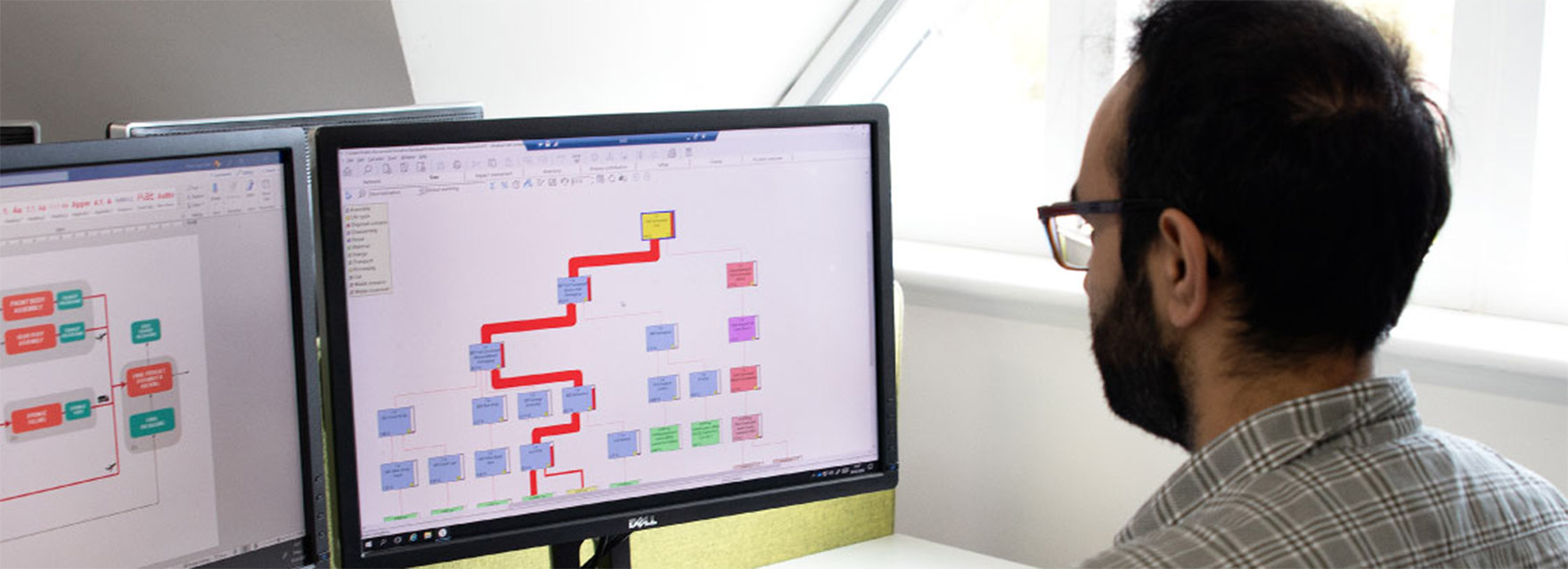
person-looking-at-life-cycle-analysis-tool-on-a-computer b

Life Cycle Assessment

We apply Life Cycle Assessment (LCA) to give you a clear, evidence-based view of your product’s carbon footprint across any part of its life cycle.

Explore

Life Cycle Assessment
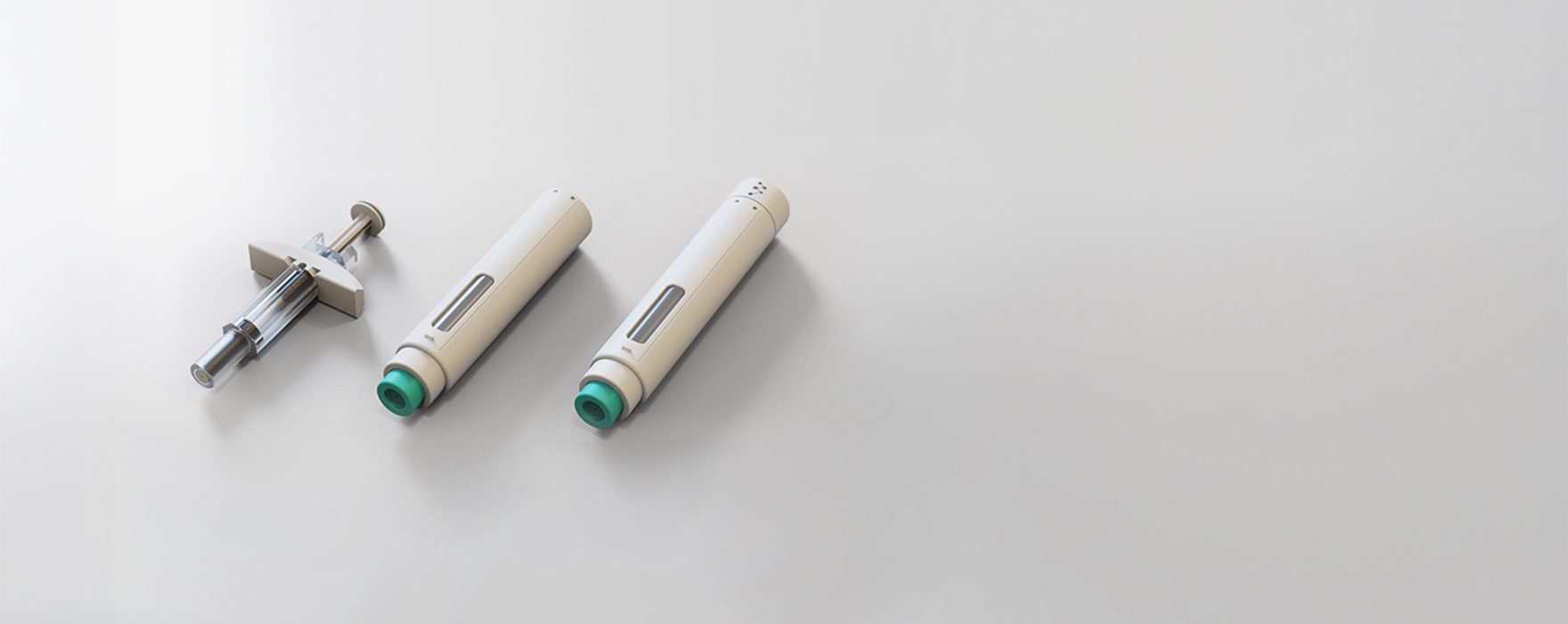
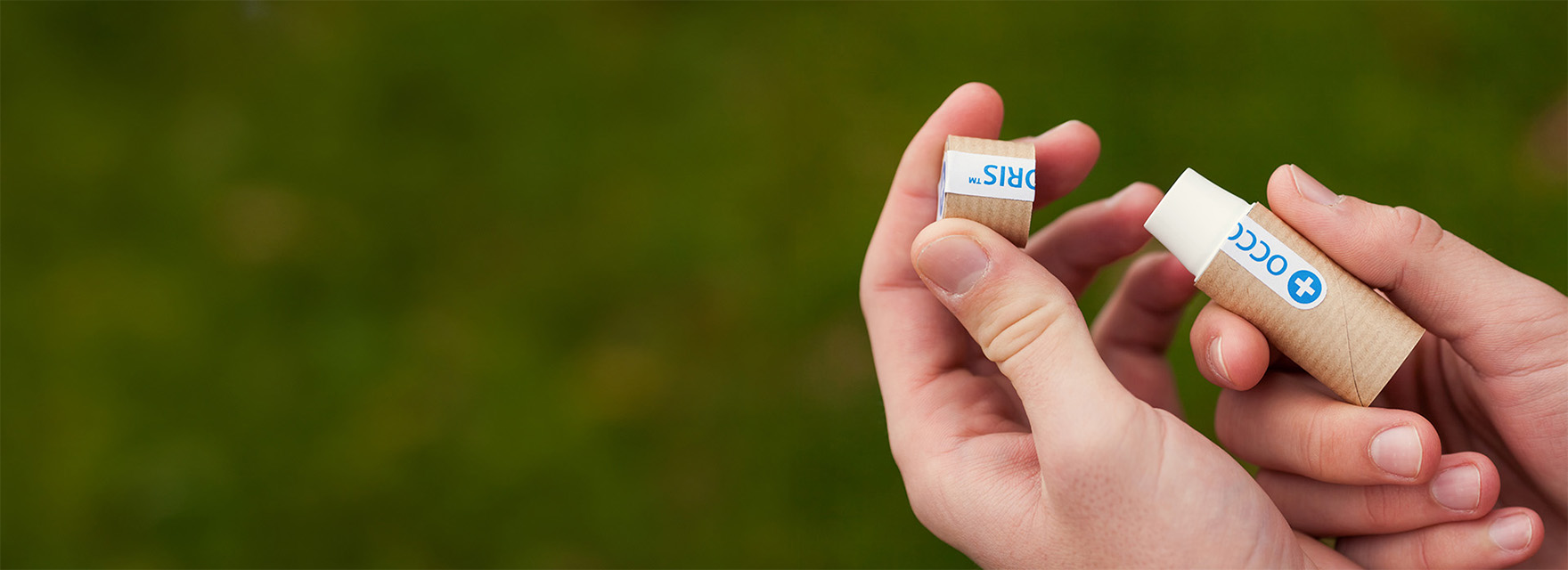
Hands holding inhaler

Circular design

Circular design helps you reduce environmental impact while strengthening resilience and long-term value. We support you from initial manufacturing and end-of-life assessment through to detailed design decisions around materials, packaging and waste minimisation.

Explore

Circular design

What are your sustainability targets?

Get in touch to find out how we can help you improve the sustainability of your medical device, from life cycle assessment to design for reusability.