sq

Sustainability analysis from concept to post-market via LCA

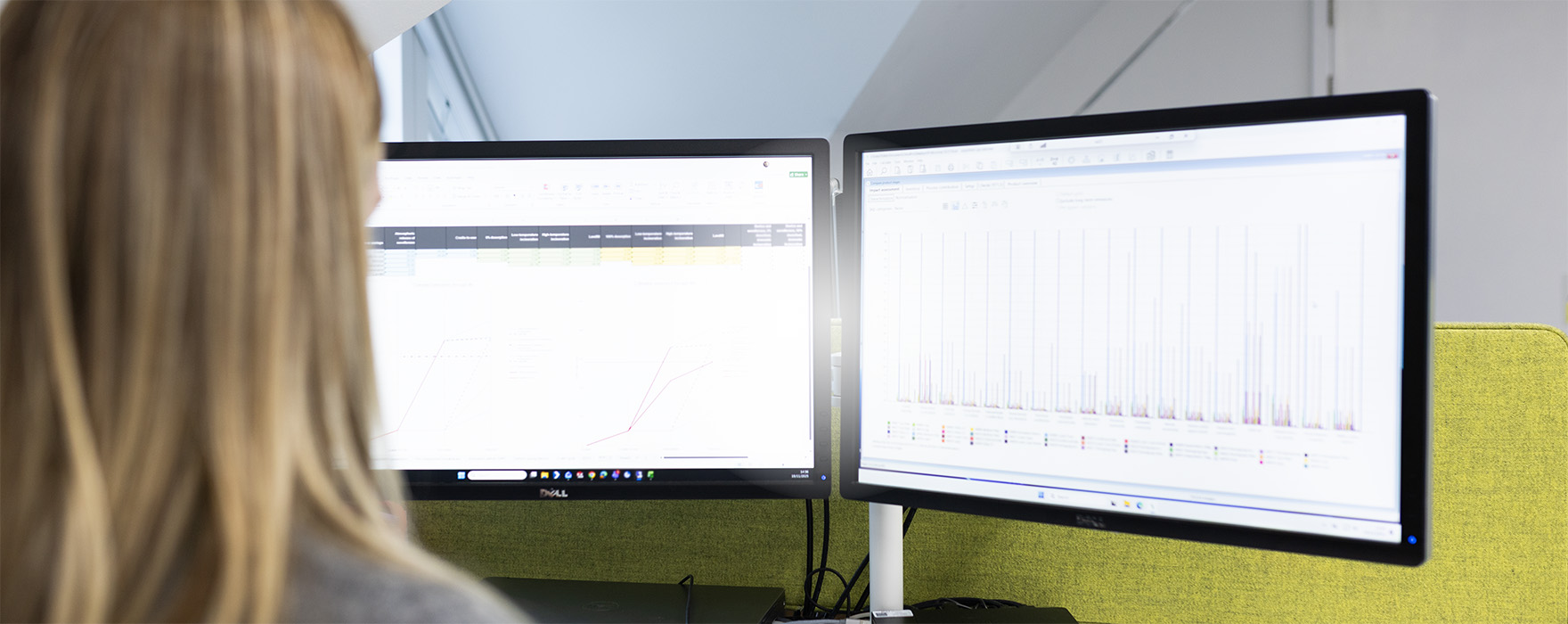
We apply Life Cycle Assessment (LCA) to give you a clear, evidence based view of your product carbon footprint (PCF) across any part of its life cycle. By highlighting where design or development changes will have the biggest environmental impact, LCA supports confident, data driven decisions about your sustainability strategy.

Effective LCA relies on both hard data and robust assumptions built on a deep knowledge of medical devices and their use cases. We work closely with you to ensure our modelling is accurate, realistic and relevant to your device’s context of use, helping you identify the most meaningful opportunities to reduce your environmental impact across your product life cycle.
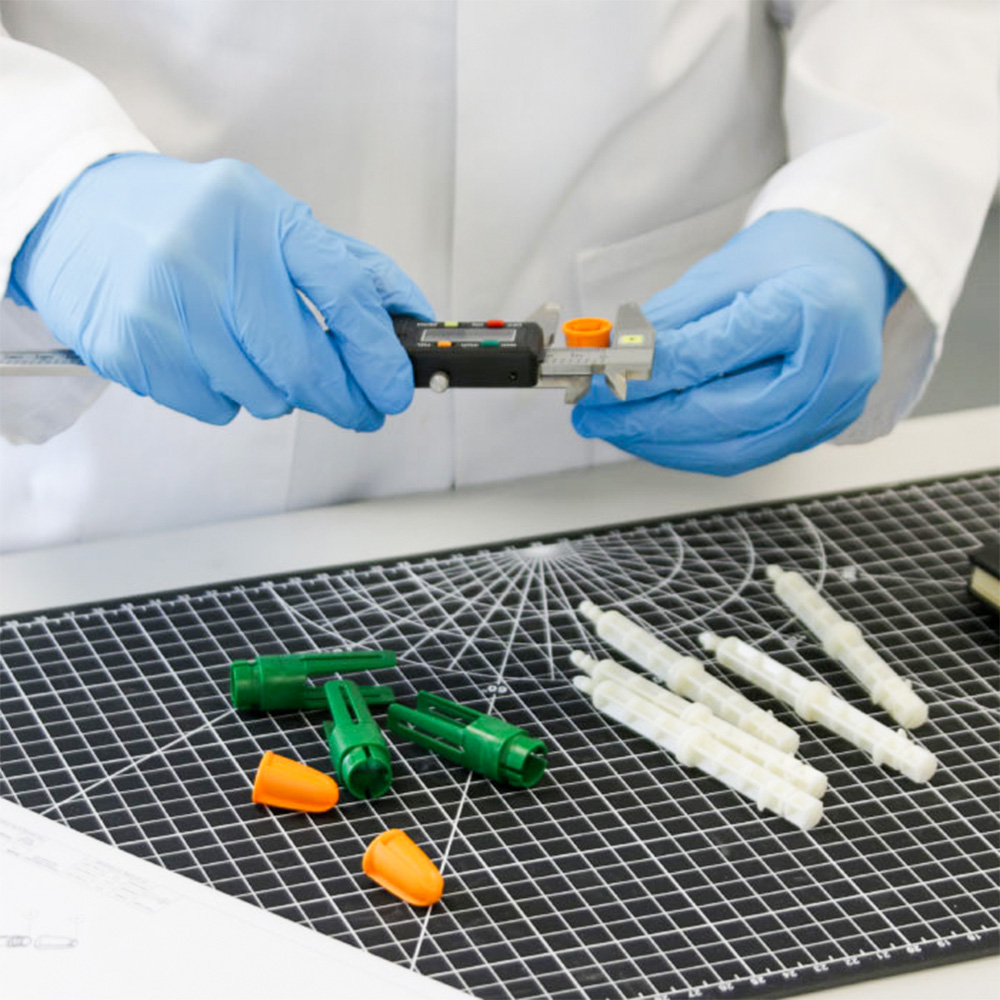
images-of-components-of-an-auto-injector-trainer-pen-on-a-lab-bench

Turning sustainability data into actionable design decisions

Collecting sustainability data is only valuable if it leads to better decisions. Our LCA expertise goes beyond reporting metrics. We translate complex environmental data into clear design insights that engineering, quality and leadership teams can act on.

This includes identifying environmental hotspots in your supply chain, assessing material and process trade-offs and prioritising changes that deliver the greatest impact for the least disruption. The result is a focused sustainability strategy that supports commercial, technical and regulatory goals.

Want to understand the carbon footprint of your medical device?

We help you make informed decisions to improve your product’s carbon footprint and meet your sustainability goals. Get in touch to find out more.

Get in touch

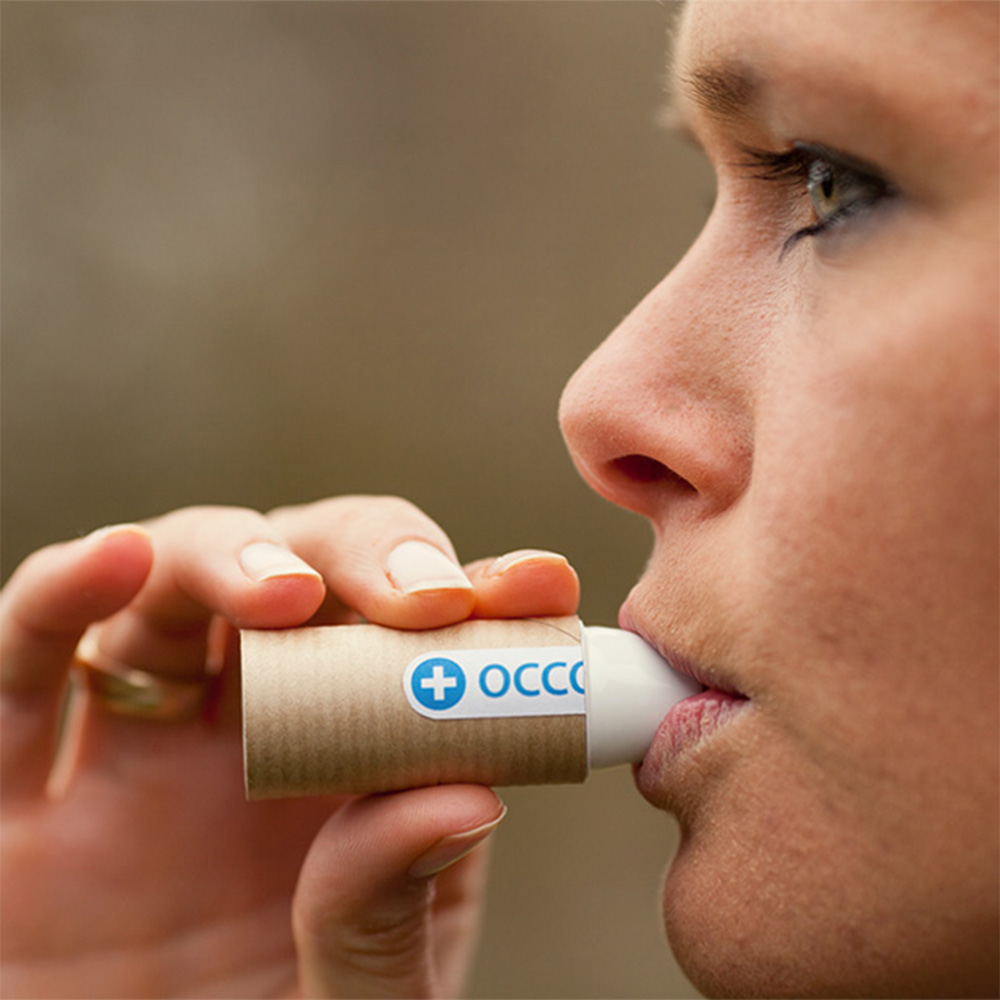
Woman using an-inhaler

Supporting regulatory, investor and customer expectations

Expectations around medical device sustainability are increasing from regulators, investors and customers alike. We use LCA to help you evidence environmental performance in a credible and defensible way.

Our approach aligns with recognised LCA standards. Whether you are responding to customer tenders, preparing for future regulation or strengthening your sustainability narrative, we help you build robust data that stands up to scrutiny.

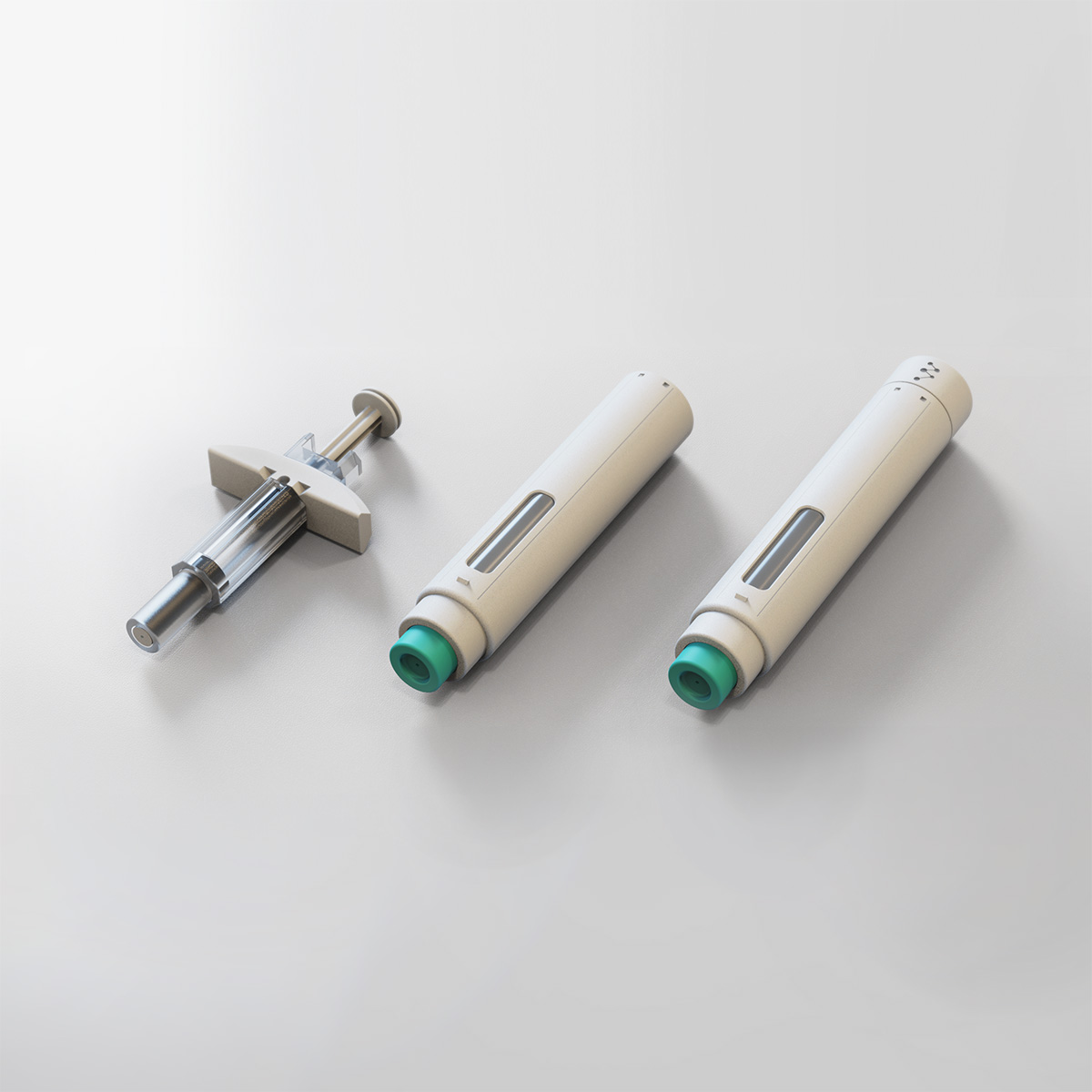
ECO Graphic 2 Master-03

Understanding broader environmental impacts

We extend your environmental impact assessment to include factors that cover the broader impact of your device, such as:

  • Avoidance of hazardous or toxic materials
  • Improved manufacturing supply chain
  • Design for sustainable disposal
  • Sustainable manufacturing practices
  • Understanding of post-use processes

FAQs

How are LCAs structured for each project?

LCAs come in different shapes and sizes, depending on the stage of development and your goals. We typically categorise the LCAs into four banks, where the certainty of design and the level of assumptions go hand-in-hand:

  1. Indicative LCA – Typically at the Front End Innovation stage of development, this involves a benchmarking exercise to establish a development pathway, and a top-level assessment of novel technology.
  2. Conceptual LCA – Taking place during the concept generation and proof of principle stage of development, this involves an assessment of competing concepts, working with reasonable assumptions.
  3. Detailed LCA – Covering proof of principle through detailed design, pilot manufacture & DVT and industrialisation, this LCA is built on refined inputs to develop a detailed environmental assessment. It can assist with identifying both early design decisions that can improve sustainability, as well as supply chain selection, material selection and packaging.
  4. Review LCA – Often carried out post-market, a review LCA uses real-world data to offer up-to-date LCA results. It can be used to identify potential carbon footprint hotspots that need to be addressed, evaluate strategies to reduce impact without changing existing production, and compare to on-market products to understand opportunities for improvement.

Your specific requirements may sit somewhere on this spectrum, and we would tailor the approach to best suit the level of detail and insight required.

What is the process for conducting an LCA or Product Carbon Footprint (PCF)?

At Team, we follow standard frameworks such as ISO 14040/14044 for LCA and ISO 14067 for PCF. The process for conducting an LCA involves three key stages: inputs, calculations and outputs.

  1. LCA inputs – LCAs rely on a mixture of inputs, from data measured directly from production data where possible, to measurements of similar on-market products, and failing this reasonable assumptions based on experience. At Team, we draw on 40 years of expertise in medical device development to build considered assumptions and life cycle stages, from anticipated attributes of production to distribution, product use and disposal.
  2. LCA calculations – At Team, we use industry-standard software such as SimaPro as well as an in-house bespoke tool to manage both LCA inputs and outputs. Drawing on both SimaPro’s catalogue of datasets, we also use our own library of data specific to the production and disposal of medical device components.
  3. LCA outputs – The third stage of an LCA involve identifying potential hotspots, applying through-life assessment and the identification of trade-off points. When the outputs are ready for assessment, we treat each case individually, focusing on what is important and what can be actioned.

Do LCAs help to generate KPIs (key performance indicators)?

Every company has its own environmental objectives. When conducting an LCA, these objectives are carefully factored in by selecting the most appropriate functional units, ensuring the analysis reflects what matters most to you. We then use the outputs from the LCA, alongside other environmental metrics, to define KPIs that align with your goals. These KPIs may focus on areas such as carbon emissions, plastics use or circularity.

Explore our full sustainability offering

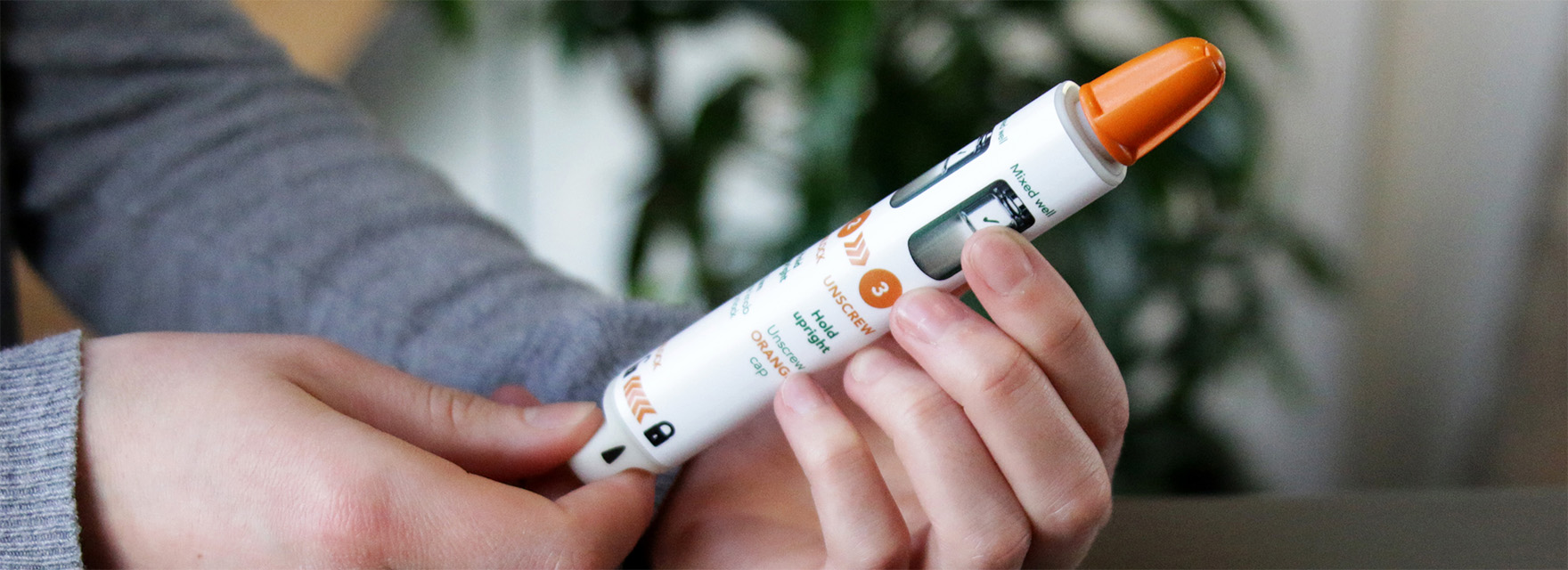
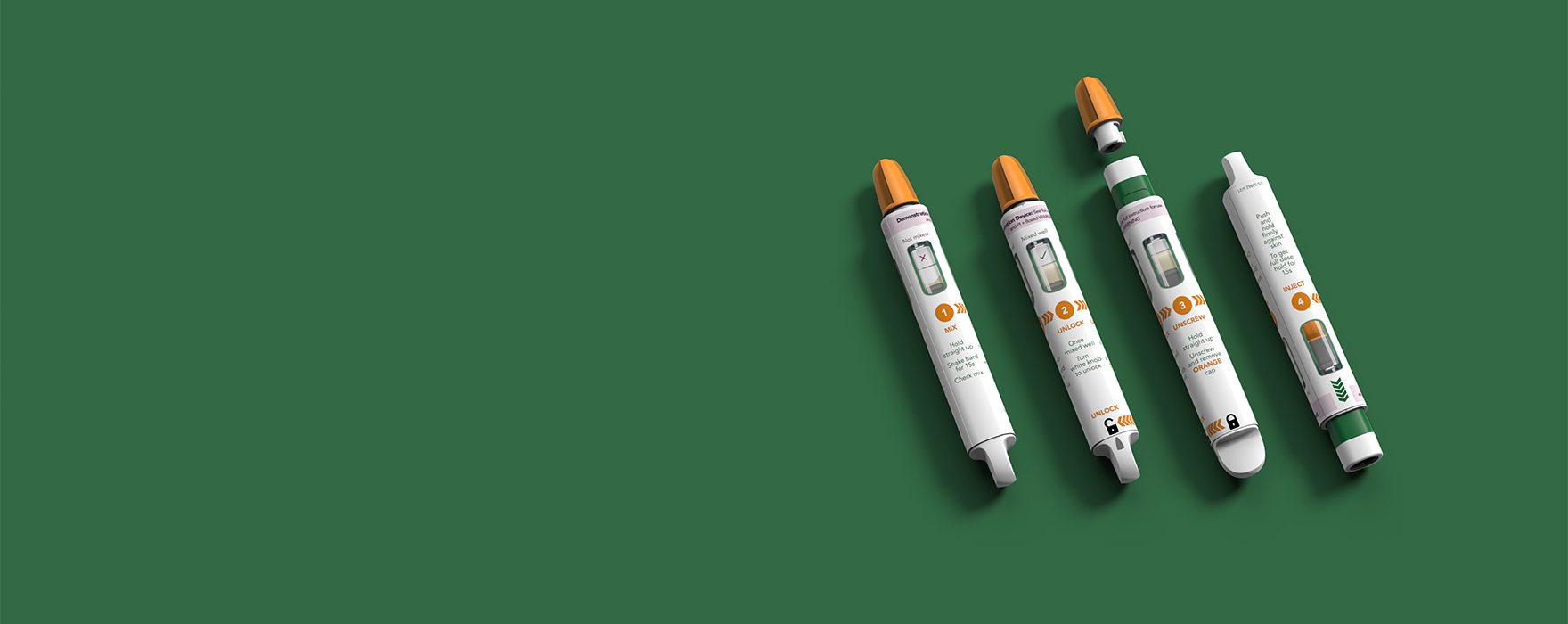
AstraZeneca Training Coach 1b

Sustainability

We help you identify and implement the most effective sustainability approaches for your unique needs, delivering measurable carbon reduction across your value chain, while balancing this with your commercial and patient needs.

Explore

Sustainability
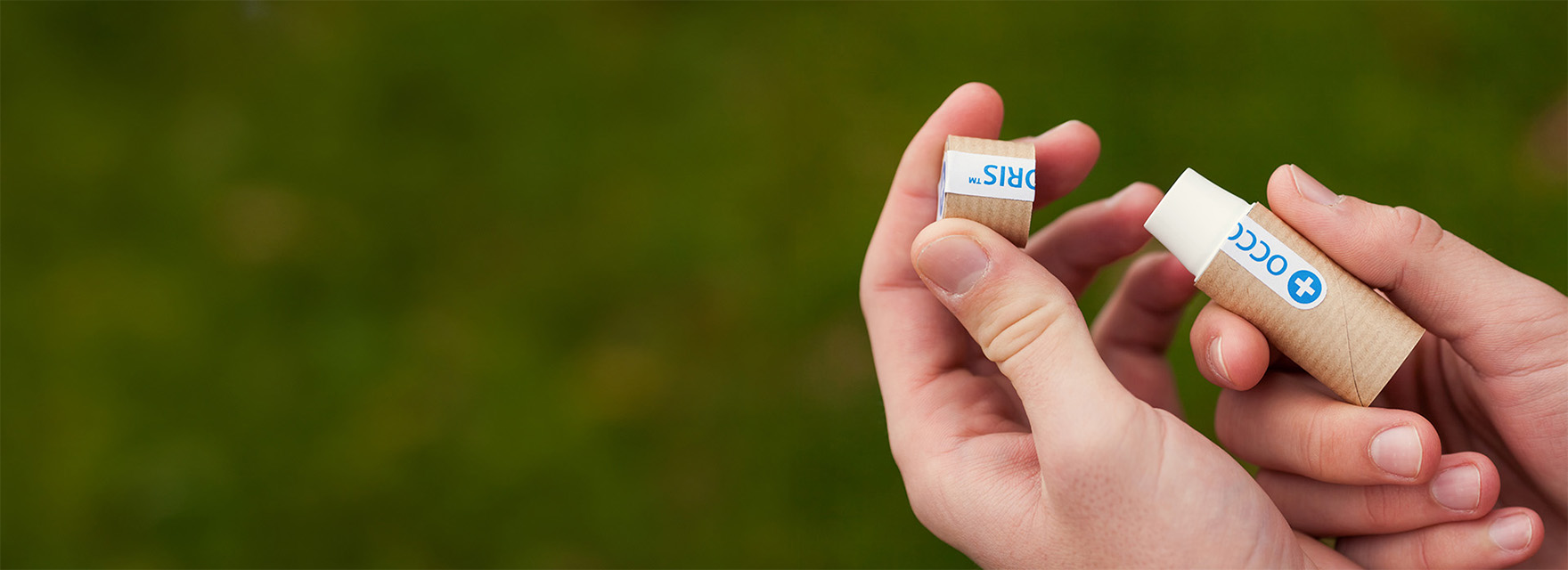
Hands holding inhaler

Circular design

Circular design helps you reduce environmental impact while strengthening resilience and long-term value. We support you from initial manufacturing and end-of-life assessment through to detailed design decisions around materials, packaging and waste minimisation.

Explore

Circular design

What are your sustainability challenges?

Want to apply Life Cycle Assessment to improve your sustainability decision-making? Get in touch to find out more.