Advancing UK MedTech innovation through a strategic collaboration – London Institute for Healthcare Engineering & Team Consulting

Gloved-hands-holding-tweezers-above-an-eye-1024x1024.jpg
01 Oct 2021 8min read

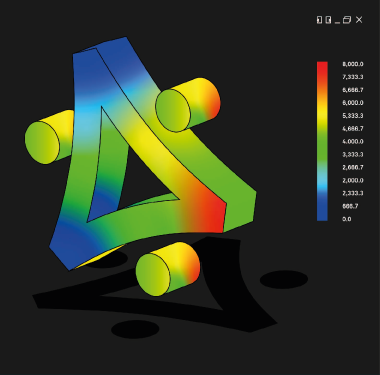
It’s easy to think you have a great looking design on the screen, but when components or mechanisms experience forces in use, things might not be quite what they appear. Finite Element Analysis (or FEA) allows us to computationally evaluate our designs under applied loads or deformations. There are a number of great reasons for using the powerful tool of Finite Element Analysis throughout the development of a product. Here are just a few:

Positron Emission Tomography (PET)

PET is a nuclear imaging technique that provides information about functional activity within the body such as receptor binding and molecular uptake. A radiotracer or radiotherapy is injected which emits positrons which can be 3 dimensionally visualised to assess biodistribution and pharmacokinetics. This allows users to see and quantify metabolic activity, receptor density and perfusion.

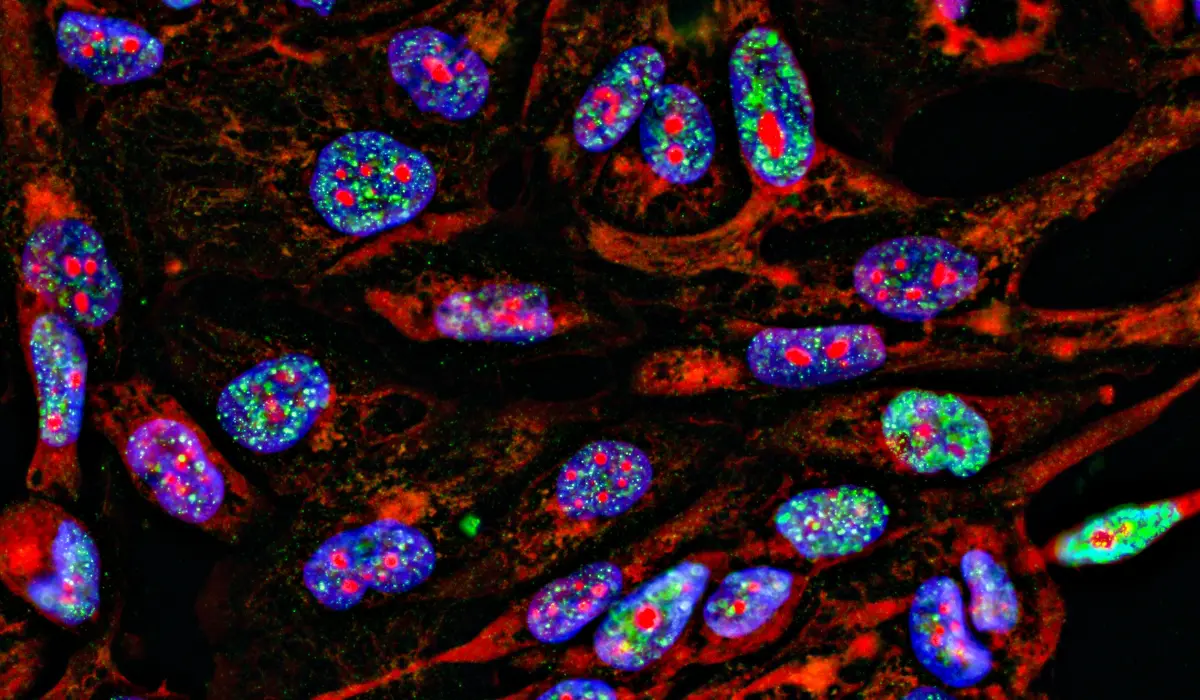
PET is a nuclear imaging technique that provides information about functional activity within the body such as receptor binding and molecular uptake. A radiotracer or radiotherapy is injected which emits positrons which can be 3 dimensionally visualised to assess biodistribution and pharmacokinetics. This allows users to see and quantify metabolic activity, receptor density and perfusion.
PET is a nuclear imaging technique that provides information about functional activity within the body such as receptor binding and molecular uptake. A radiotracer or radiotherapy is injected which emits positrons which can be 3 dimensionally visualised to assess biodistribution and pharmacokinetics. This allows users to see and quantify metabolic activity, receptor density and perfusion.
Blog-images-23.jpg

Sign up for more insights below

Subscribe below

3

Sign up for more insights below

Positron Emission Tomography (PET)

PET is a nuclear imaging technique that provides information about functional activity within the body such as receptor binding and molecular uptake. A radiotracer or radiotherapy is injected which emits positrons which can be 3 dimensionally visualised to assess biodistribution and pharmacokinetics. This allows users to see and quantify metabolic activity, receptor density and perfusion.
Common questions around PET

What is PET?

PET is a nuclear imaging technique that provides information about functional activity within the body such as receptor binding and molecular uptake. A radiotracer or radiotherapy is injected which emits positrons which can be 3 dimensionally visualised to assess biodistribution and pharmacokinetics. This allows users to see and quantify metabolic activity, receptor density and perfusion.
What are the common uses of PET?

  • A key modality in radiotheranostics, helping identify where targeted treatments are occurring and quantify the doses being received
  • Detection of metastases and measurement of tumour metabolism in oncology
  • Diagnosis and monitoring of neurodegenerative disorders such as Alzheimer’s disease
  • Assessment of changes in perfusion e.g. extent of the opening of the blood brain barrier using ultrasound

What are the advantages of PET?

  • Provides functional information not available from structural imaging alone
  • Very sensitive to small amounts of radiotracer
  • Enables quantitative measurements of biological processes e.g. metabolic rate

What are the disadvantages of PET?

  • Low anatomical resolution which is why it is often combined with CT or MRI
  • Involves ionizing radiation (although the dose is moderate)
  • Requires specialised staff and expensive equipment
  • Short half-lives of some tracers mean logistics can be a challenge

Join the conversation

Looking for industry insights? Click below to get our opinions and thoughts into the world of
medical devices and healthcare.